
The most common objection I hear to telehealth hypnotherapy is some version of: 'Surely the work requires being in the same room.' It is a reasonable objection. It is also, as the research and the clinical outcomes now show, incorrect.
Peer-reviewed research consistently shows telehealth hypnotherapy is equally effective as in-person sessions for the vast majority of applications. DTT™ was designed for virtual delivery from the beginning — I have conducted thousands of sessions nationwide with the same resolution rates as the in-person work that preceded it.
Why the modality was ready for remote delivery
Hypnotherapy is not a bodywork modality. There is no physical contact, no adjustment of posture, no manipulation of tissue. The work happens entirely through language, attention, and the client's own internal experience. The clinician's job is to direct attention and deliver intervention; the client's job is to follow the direction and allow the state. None of this requires proximity.
The subconscious doesn't know the difference between a screen and a couch.
What does matter for telehealth
- Audio quality matters more than video quality. The client needs to hear the cadence, the pacing, and the tonal shifts in the clinician's voice with precision. A high-quality wired headset on both ends is non-negotiable.
- The client needs a private, uninterrupted space. A session interrupted by a family member walking in is a session that has to restart from the beginning.
- The client needs to be able to position their body comfortably. Most clients are in a recliner or on a couch; some are in bed. The position is whatever lets the body release.
- The screen needs to be positioned so that the client can close their eyes without losing audio. This is the one piece most telehealth setups get wrong — the screen is too central, and the client feels obliged to keep their eyes on it.
What telehealth actually enables
The shift to telehealth has, paradoxically, improved the work in ways I did not anticipate. Clients are in their own environments, which means the integration work — the rehearsal of the new pattern in real situations — happens in the actual context where the pattern used to fire. A golfer can do integration work in their own backyard putting green. An executive can do decision rehearsal in their own office chair. The transfer from session to life is shorter, more direct, and more durable.
If you have been hesitating on telehealth because you assumed the work would be less effective, the assumption is worth revisiting. The research is clear. The clinical outcomes are clear. The screen doesn't change the work.
Dr. H. Hoover Hall III
Clinical Hypnotherapist · Founder, DTT™. Developer of Dynamic Transformational Therapy™. Twelve-session signature programs for athletes, executives, and high performers — engineered for resolution, not management.
Read Dr. Hall's full bio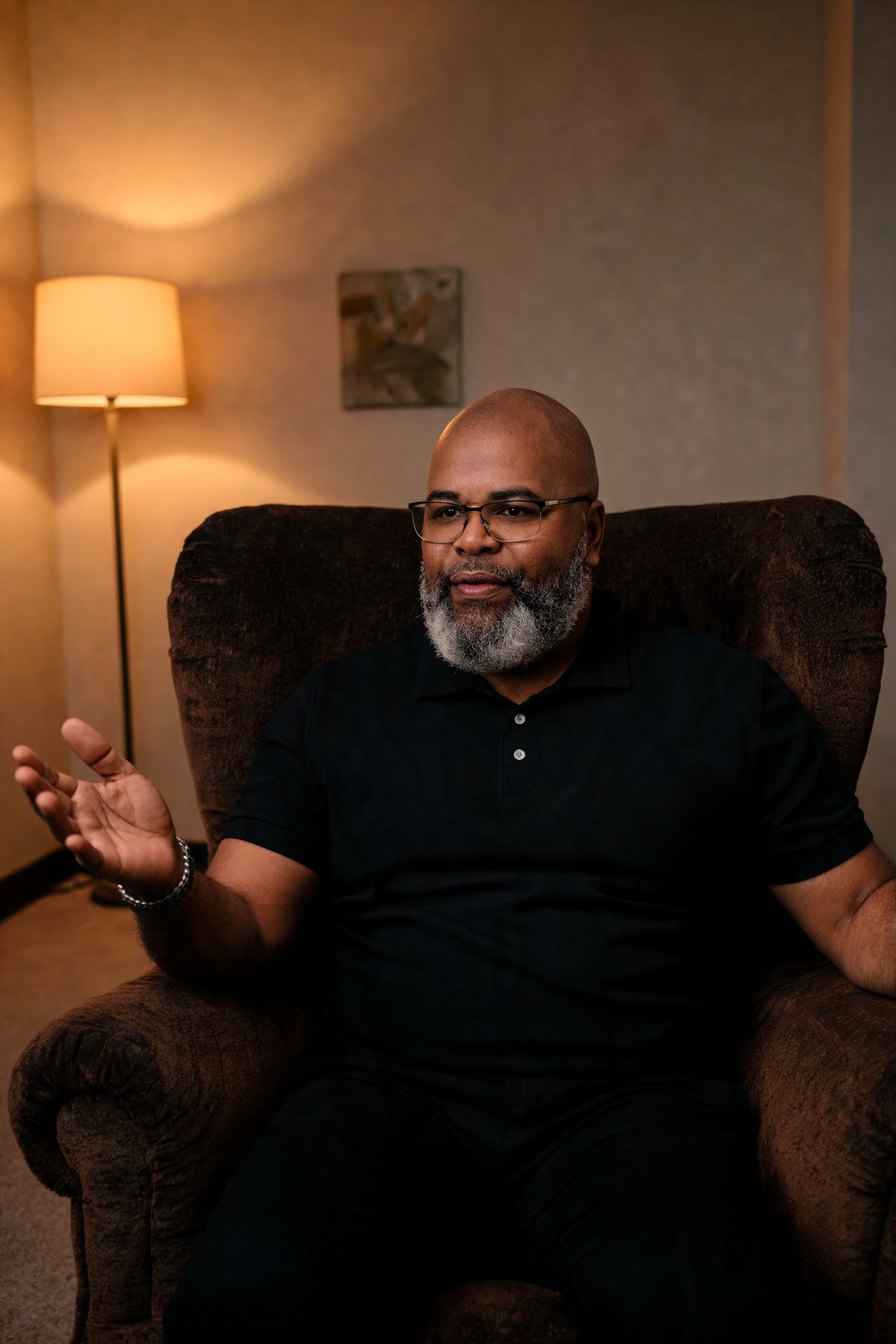
If something in this writing resonated, the next step is a 60-minute Discovery Call. Clinical triage, not a sales conversation.